
If clean core tells you where custom logic should not live, SAP Business Technology Platform is the answer to where it should. BTP is SAP’s platform layer for building extensions, integrating systems, managing data and delivering analytics, all designed to sit alongside the core rather than inside it.
Four capabilities that matter most
BTP is a broad platform and it is easy to get lost in the service catalogue. In most SAP landscapes, four areas carry the overwhelming majority of the value.
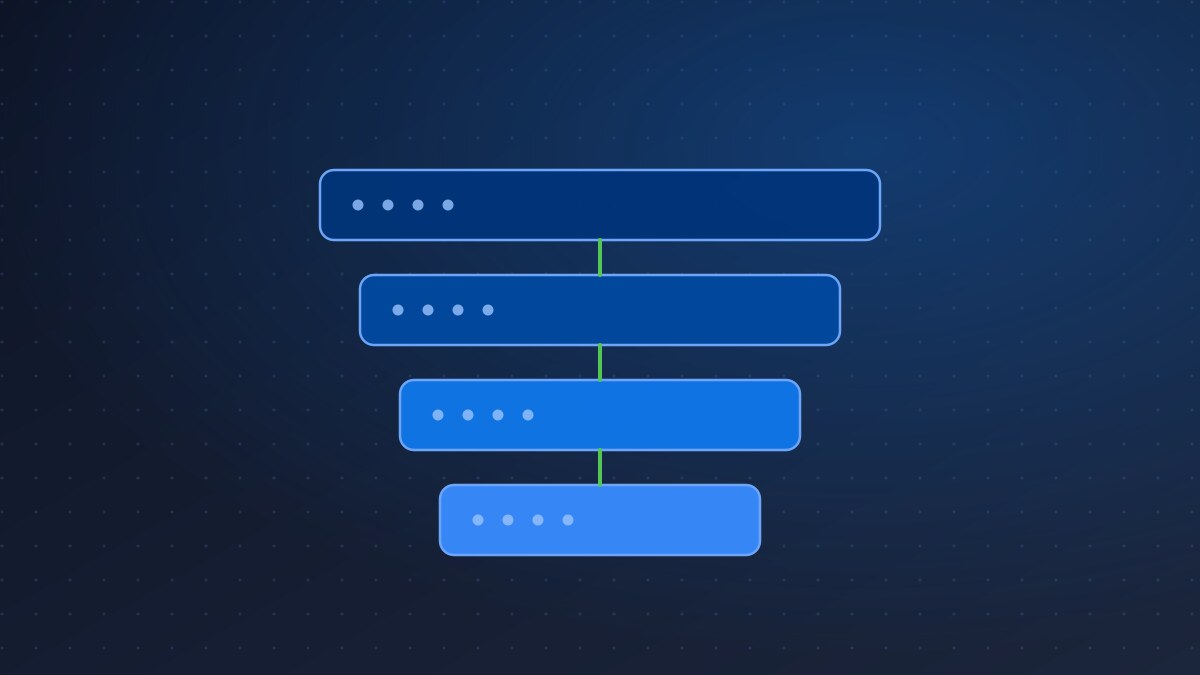
- Application development — side-by-side extensions that consume released APIs, so core upgrades do not break them.
- Integration — managed, monitored connections between SAP and non-SAP systems, replacing the point-to-point interfaces that quietly accumulate.
- Data and analytics — a governed semantic layer over operational data, so reporting does not depend on direct reads from production tables.
- Automation — workflow and process automation for the approval chains and handoffs that otherwise end up in spreadsheets and email.

The architectural discipline
The value of a side-by-side model is not that the code runs somewhere else. It is that the boundary between core and extension becomes explicit and testable. When an extension consumes a released API, you know exactly what contract you depend on and you can be told when it changes.
This is also where integration debt gets paid down. Landscapes that grew organically tend to accumulate direct database reads, file drops and undocumented middleware. Moving those onto governed integration services is unglamorous work, but it converts a set of invisible dependencies into a monitored, versioned inventory.
Start narrow
BTP programmes go wrong when they begin as platform-building exercises. The pattern that works is to pick one genuinely painful extension or integration, deliver it properly on the platform, and let the reusable pieces accumulate from real use rather than from an architecture diagram.
Cost management deserves attention from day one. Consumption-based services are efficient when they are governed and surprising when they are not, so establish ownership and monitoring before the first workload goes live, not after the first invoice.



Leave a Reply