

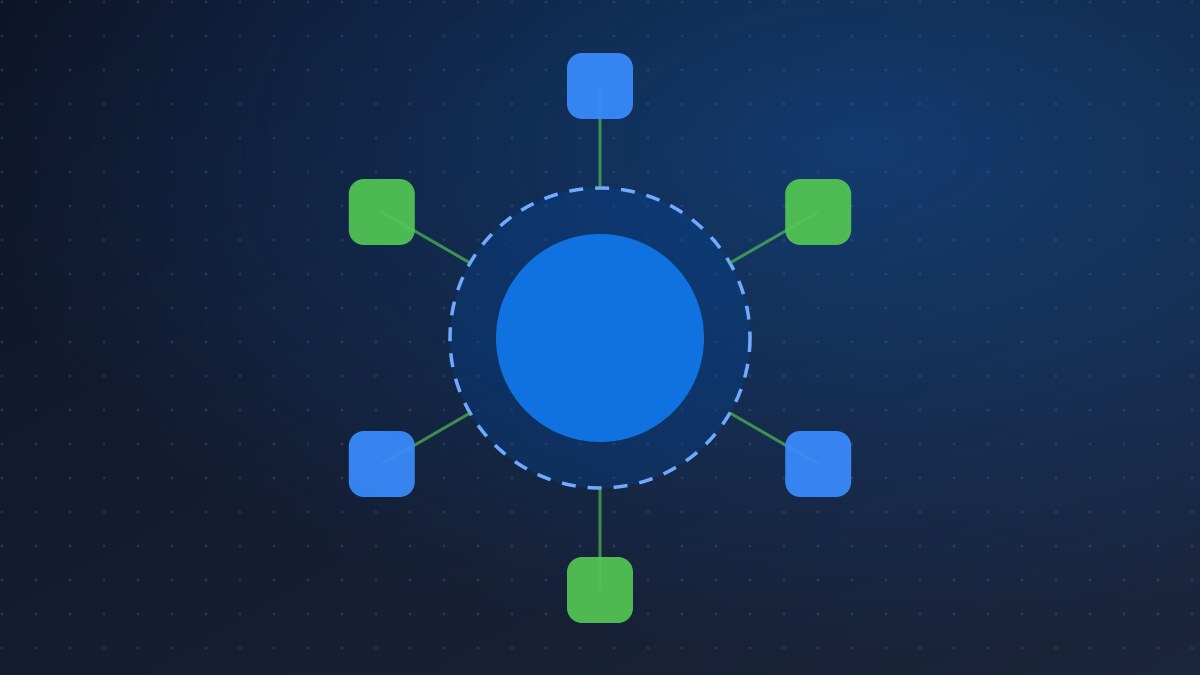
One of the most consequential changes in S/4HANA Finance is structural rather than functional. The universal journal consolidates financial accounting and controlling line items into a single table, so that the general ledger, controlling, asset accounting and margin analysis draw on one shared record.
In the classic model these were separate data structures that had to be reconciled. That reconciliation consumed a meaningful share of every close, and it produced no insight of its own — it only confirmed that two systems agreed.
Why a single record changes the close
When financial and management views share a line item, a whole category of period-end activity simply stops existing. Reporting can also drill from an aggregated figure to the underlying document without moving between reporting tools, which shortens the investigation loop when something looks wrong.
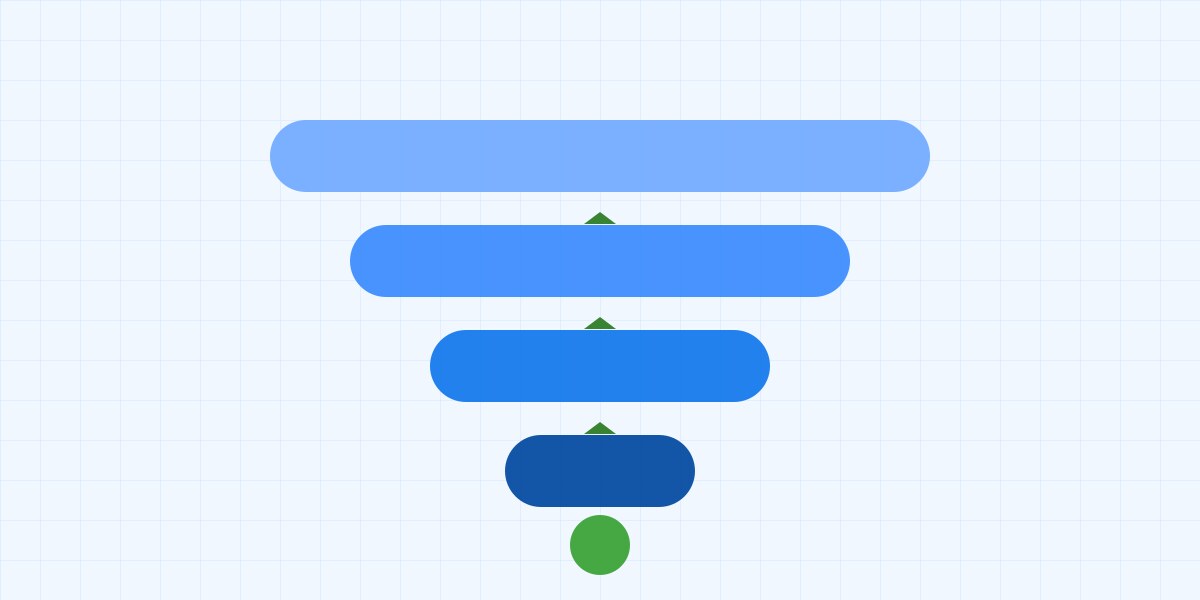
The wider effect is that closing becomes less of a discrete event. Where data is consistent continuously, teams can review positions during the period instead of discovering problems in the final days of it.
The part that is not automatic
Adopting the data model does not by itself shorten the close. Most closes are slow for reasons that have little to do with the ledger: manual accruals prepared in spreadsheets, intercompany mismatches surfacing late, approval chains that stall because an approver is on leave, and checklists that live in someone’s personal notes.
- Map the current close task by task, with the real owner and the real elapsed time for each.
- Separate tasks that are genuinely dependent from those that are merely sequential by habit.
- Move recurring manual entries into governed automation rather than personal templates.
- Give the close a single visible status, so blockers surface on day two rather than day eight.
Sequencing the work
Teams that get the most out of the universal journal usually treat the technical migration and the close redesign as two connected pieces of work rather than one. The migration establishes the foundation; the redesign harvests the benefit. Attempting both in a single step tends to mean the process questions get deferred, and deferred process questions have a way of becoming permanent.


Leave a Reply